
10.38 mm laminated glass
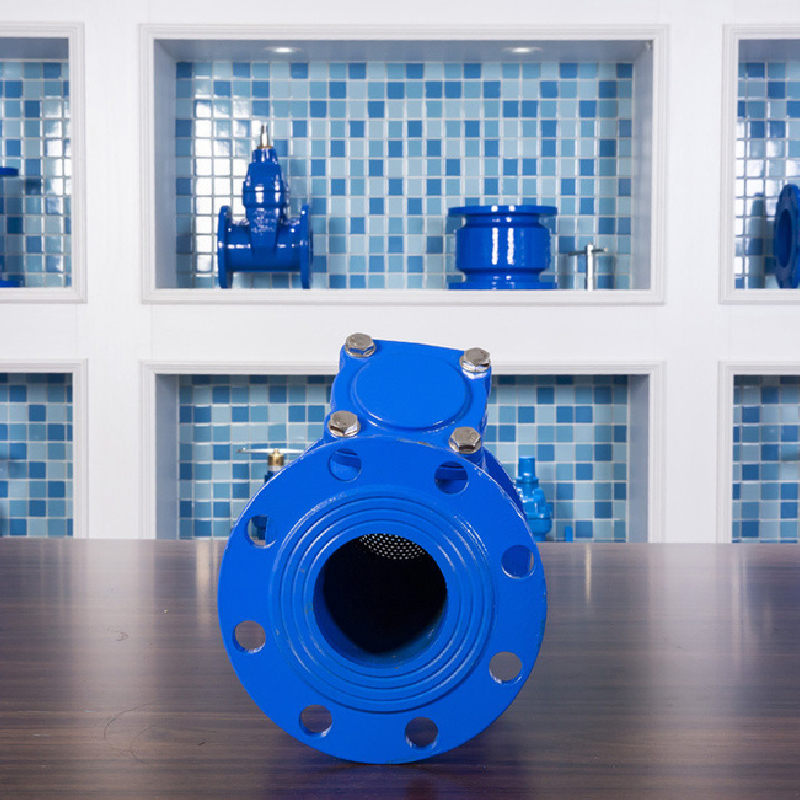
Understanding Non-Return Valve Types Non-return valves, also known as check valves, are essential components in various fluid systems. Their primary function is to allow fluid flow in one direction while preventing backflow. This characteristic is critical for maintaining system integrity, enhancing efficiency, and preventing damage to equipment. There are several types of non-return valves, each designed to suit specific applications and fluid dynamics. In this article, we’ll explore the common types of non-return valves, their mechanisms, and their typical uses. 1. Swing Check Valves Swing check valves are among the most common types of non-return valves. They consist of a hinged disc that swings open with forward flow and closes against the seat when flow reverses. This design is simple yet effective, making swing check valves suitable for various applications, including water supply systems, HVAC systems, and wastewater management. However, they are best used in horizontal pipelines, as vertical installations may cause operational issues. 2. Lift Check Valves Lift check valves operate differently from swing check valves. Instead of a disc, they feature a movable disc that lifts off its seat when fluid flows in the forward direction. The weight of the disc and the reverse flow of fluid push it back down to its seat, preventing backflow. Lift check valves are used in applications with high fluid velocities and where rapid flow changes are common. They are preferred in pipelines where space restrictions exist, as they can be installed vertically or horizontally. 3. Ball Check Valves Ball check valves utilize a spherical ball that sits in a seat to prevent backflow. When fluid flows in the forward direction, the ball is lifted off its seat, allowing flow. If backflow occurs, the ball returns to the seat, sealing the valve. This type of valve is particularly effective in low-pressure applications and is often used in sump pump systems, irrigation systems, and some industrial applications. Ball check valves are known for their reliability and ease of maintenance. non return valve types 4. Diaphragm Check Valves Diaphragm check valves use a flexible diaphragm that moves up and down based on fluid pressure. When flow occurs, the diaphragm is pushed up, allowing fluid to pass through. Conversely, reverse flow pushes the diaphragm down, creating a seal. These valves are excellent for systems dealing with contaminated or particulated fluids, as the diaphragm can create a tight seal and reduce the risk of leakage. They are commonly used in chemical processing and pharmaceutical applications. 5. Spring-Loaded Check Valves Spring-loaded check valves utilize a spring mechanism to assist in sealing the valve. The spring applies pressure on the disc or ball, keeping it in place until enough forward pressure opens the valve. This design allows for more precise control over valve operation and can minimize water hammer effects. Spring-loaded check valves are suitable for high-pressure systems and can be found in oil and gas piping, marine applications, and various industrial processes. 6. Noise and Vibration Considerations One important aspect of non-return valves is their impact on system noise and vibration. Some designs, particularly swing and lift check valves, can create slamming noises when closing, potentially leading to excess wear or damage. To mitigate this, engineers often incorporate dampening features or opt for softer closing mechanisms, such as those found in spring-loaded check valves. Conclusion Non-return valves play a critical role in fluid management, ensuring that systems operate efficiently without backflow issues. Understanding the different types of non-return valves—swing, lift, ball, diaphragm, and spring-loaded—is essential for engineers and designers when selecting the appropriate valve for a specific application. By choosing the right valve type, users can enhance system reliability, reduce maintenance costs, and improve overall performance. Recognizing the unique features and best usages of each type will ultimately lead to better fluid system design and operation.
about
10.38 mm laminated glass
The Importance of Rebar End Caps in Construction A Structural Necessity Rebar, or reinforcing steel, is an essential component in the construction industry, providing reinforcement to concrete structures and enhancing their strength and durability. A critical aspect often overlooked in this process is the rebar end cap. This seemingly minor detail plays a significant role in ensuring the integrity and longevity of a construction project. An end cap, as the name suggests, is a protective covering placed at the ends of rebars. It serves multiple purposes, all of which contribute to the overall efficiency and safety of the structure. Firstly, it prevents corrosion by sealing off the exposed end of the rebar, reducing the entry point for water and other corrosive elements. Corrosion can weaken the rebar, compromising the structural stability, and the end cap acts as a barrier against this potential threat. Secondly, rebar end caps act as a means of preventing accidental injury. In a construction site, loose and protruding rebar ends pose a safety hazard to workers. End caps provide a non-abrasive surface, minimizing the risk of cuts or punctures, thus contributing to workplace safety. Moreover, end caps also play a role in maintaining the continuity of the steel reinforcement Moreover, end caps also play a role in maintaining the continuity of the steel reinforcement Moreover, end caps also play a role in maintaining the continuity of the steel reinforcement Moreover, end caps also play a role in maintaining the continuity of the steel reinforcement rebar end cap . They ensure that the rebar's tensile strength is not compromised, which is crucial for load-bearing structures. Without proper end caps, there could be a reduction in the rebar's bonding capacity with the surrounding concrete, affecting the structure's overall performance. In addition to these functional benefits, rebar end caps also contribute to the aesthetics of the construction. They cover up any unsightly ends, giving a more finished and professional look to the structure. The use of high-quality end caps, compatible with the rebar material, is paramount. Different materials, such as plastic or metal, offer varying degrees of protection and durability, and the choice depends on the specific project requirements and environmental conditions. In conclusion, the rebar end cap might seem like a small detail in the grand scheme of construction, but its significance cannot be understated. It is a testament to the importance of considering every element, no matter how seemingly insignificant, in the pursuit of structural integrity and safety. As construction technology advances, so does the design and functionality of rebar end caps, further emphasizing their pivotal role in modern construction practices.
-

High quality industrial productsagement

High quality industrial products
View Details -

Meet the diverse needs of customers

Meet the diverse needs of customers
View Details -

Strict quality control

Strict quality control
View Details -

Top raw materials

Top raw materials
View Details -

Trusted supplier

Trusted supplier
View Details
Our application


news and information
water globe valve
Understanding Water Globe Valves Design, Function, and Applications Water globe valves are essential
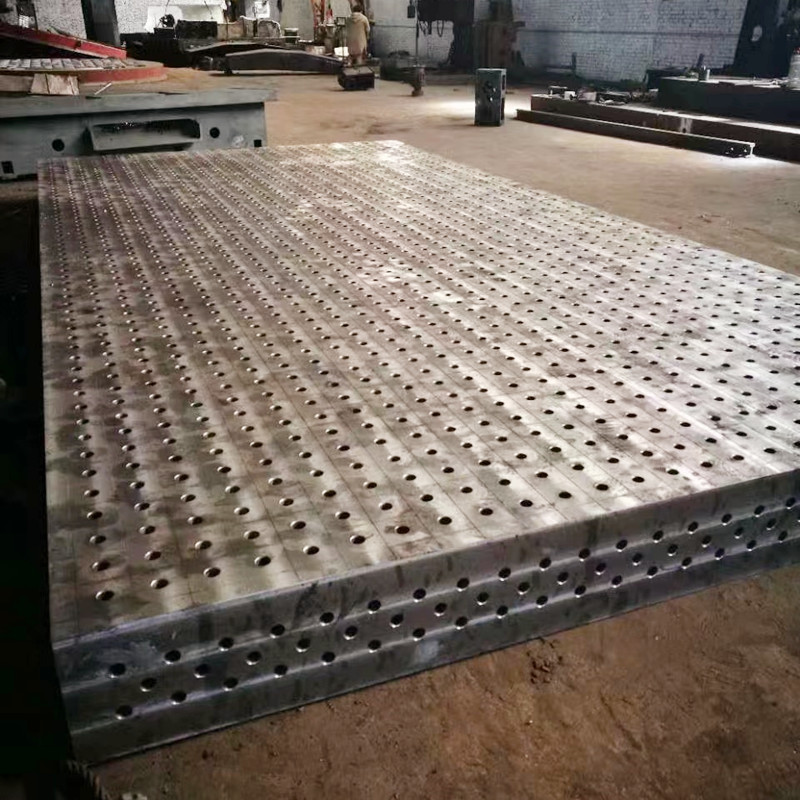
Versatile Clamps for Effective Fabrication Table Applications and Projects
Fabrication Table Clamps Essential Tools for Precision in Manufacturing In the realm of manufacturin
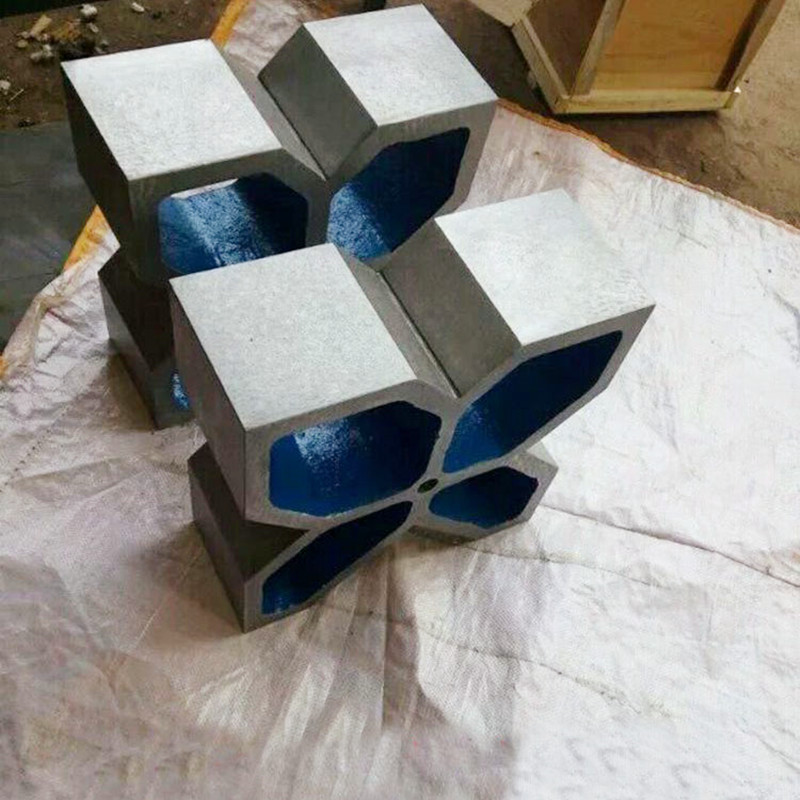
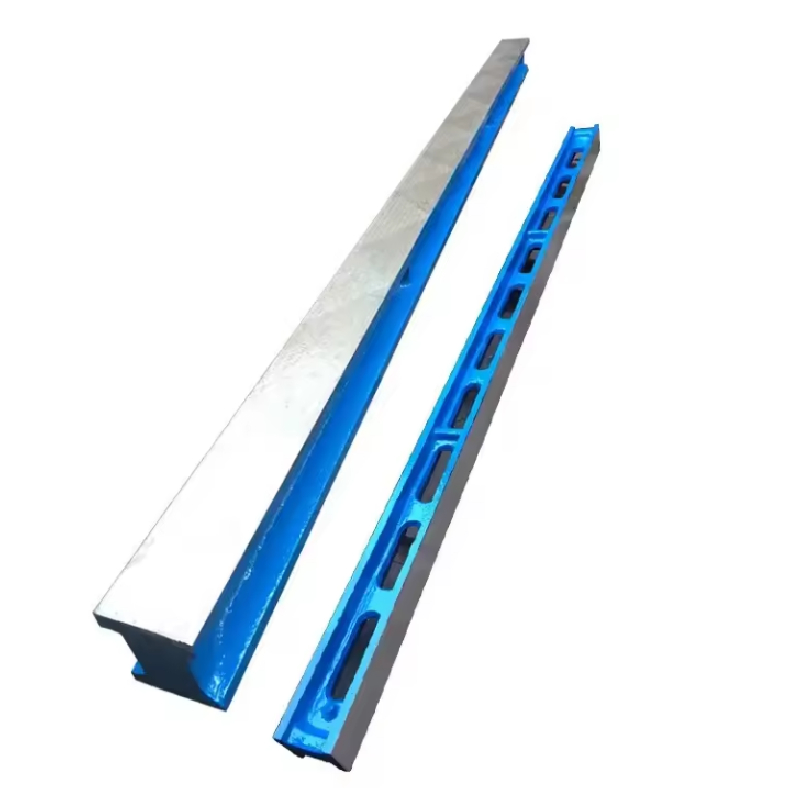
v block & clamp
The Importance of V-Block and Clamp in Precision Workholding In various machining and manufacturing
 English